Views: 0 Author: Site Editor Publish Time: 2025-11-24 Origin: Site


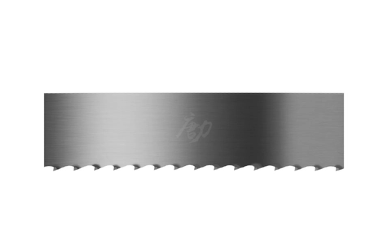
A band saw blade is a continuous loop of toothed metal that enables precise cutting in woodworking, metalworking, and various industrial applications. Its design allows for smooth, consistent cuts on a wide range of materials, making it an essential tool for both professionals and hobbyists.
Proper installation of a band saw blade is crucial to ensure safety, maintain cutting accuracy, and extend the blade’s lifespan. An incorrectly installed blade can slip, cause uneven cuts, or even lead to accidents in the workshop.
This article aims to provide a detailed, step-by-step guide for installing a band saw blade correctly, helping users achieve optimal performance and safe operation every time they use their saw.
Before installing a band saw blade, it’s important to understand both the saw itself and the blade you’ll be using. Proper knowledge ensures safe operation and optimal cutting performance.
Wheels: The upper and lower wheels guide the band saw blade and maintain tension. Proper wheel alignment is critical for accurate cuts.
Guides: Blade guides support the band saw blade during cutting, preventing wobble and reducing wear. They can be adjusted for height and lateral alignment.
Tensioning System: This system controls the tightness of the band saw blade. Correct tension prevents slipping, maintains accurate tracking, and prolongs blade life.
Standard Blades: Suitable for general-purpose cutting of wood or metal. They are durable and cost-effective.
Bi-Metal Blades: Made from two types of metal for enhanced strength and flexibility, ideal for cutting tougher metals.
Carbide-Tipped Blades: Designed for heavy-duty cutting, offering long-lasting sharpness and precision for abrasive materials.
Choosing the right band saw blade for the material ensures clean, accurate cuts and prevents unnecessary wear.
Using an inappropriate blade type can cause poor cutting performance, excessive vibration, or even blade damage.
Matching the blade to both the saw and the cutting task maximizes efficiency and maintains safety in the workshop.
Proper tools and safety equipment are essential when installing a band saw blade. They help protect you from injury and ensure the blade is installed accurately for optimal performance.
Always wear protective gloves to guard against the sharp teeth of the band saw blade, which can easily cause cuts.
Safety glasses protect your eyes from metal or wood debris that may dislodge during installation or adjustment.
Using protective gear ensures a safer installation process and reduces the risk of accidents in the workshop.
Wrenches or other adjustment tools are needed to set the blade tension and adjust the upper and lower guides.
Proper tensioning prevents blade slippage and ensures smooth, accurate cuts.
Adjusting guides with the correct tools keeps the band saw blade aligned and reduces wear on both the blade and saw components.
For larger or heavier band saw blades, a workbench or stand can make handling easier and safer.
Elevating the saw or blade simplifies the installation process, especially when positioning the blade around the wheels and guides.
A stable setup reduces the risk of bending or twisting the blade during installation.
Proper preparation is essential for safely and effectively installing a band saw blade. Taking these preliminary steps ensures smooth installation, accurate cutting, and longer blade life.
Always turn off and unplug the band saw before beginning any installation work.
This prevents accidental activation of the saw, protecting you from serious injury while handling the band saw blade.
Carefully release tension and remove the existing band saw blade, paying attention to its orientation and path around the wheels and guides.
Observing how the old blade was installed helps you position the new blade correctly and avoids installation errors.
Clean the wheels, blade guides, and blade path thoroughly to remove dust, wood chips, metal shavings, or resin buildup.
A clean saw ensures that the new band saw blade tracks smoothly, reduces wear, and maintains cutting accuracy.
Before installation, inspect the new band saw blade for any damage, cracks, or defects.
Ensure the teeth are intact and the blade is free from kinks or twists. Installing a damaged blade can cause poor cuts, excessive wear, or dangerous accidents.
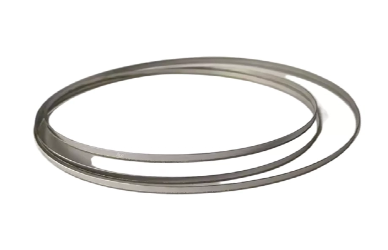
Installing a band saw blade correctly is crucial for safe operation and accurate cutting. Follow these steps carefully to ensure the blade is properly positioned, tensioned, and aligned.
Place the band saw blade around the upper and lower wheels, making sure the teeth point in the correct cutting direction.
Ensure the blade sits properly within the wheel grooves and follows the correct path along the blade guides.
Correct positioning prevents derailment and ensures smooth cutting performance.
Use the band saw’s tensioning system to tighten the blade according to the manufacturer’s specifications.
Proper tension keeps the band saw blade secure on the wheels, preventing slipping or bouncing during operation.
Avoid over-tightening, which can stress the blade and saw components, or under-tightening, which may cause poor cutting performance.
Adjust both the upper and lower blade guides so they are close to the blade but not touching it.
Align the guides carefully to minimize wobbling and reduce wear on the band saw blade.
Proper guide placement ensures consistent cutting accuracy and extends blade life.
Manually rotate the wheels to check that the band saw blade tracks correctly along the wheels.
Observe if the blade drifts to one side and make small adjustments using tracking screws or wheel alignment.
Correct tracking prevents blade derailment during actual cutting and maintains a smooth cutting path.
Ensure that all safety guards and covers are properly in place.
Verify the blade tension, guide alignment, and tracking one final time.
Plug in the saw and run it at low speed briefly to confirm smooth operation before starting full cutting tasks.
Proper installation of a band saw blade is one of the most important steps in ensuring both safety and high performance in woodworking, metalworking, and other cutting applications. A correctly installed blade allows for smooth, precise cuts, reduces wear and tear on the saw, and minimizes the risk of accidents caused by slipping, misalignment, or improper tension.
Following a careful, step-by-step installation process not only maximizes the lifespan of the band saw blade but also maintains cutting accuracy, efficiency, and overall tool reliability. Regularly checking the blade for tension, alignment, and wear, as well as performing routine maintenance, helps prevent unexpected problems and ensures consistent performance over time.
At Hunan Tangli New Material Technology Co., Ltd., we emphasize the importance of proper blade handling and installation. By making correct installation and maintenance a standard part of your workshop routine, you can extend the life of your band saw blade, improve the quality of your projects, and maintain a safe working environment. Whether you are a hobbyist, professional woodworker, or metalworker, adopting these best practices ensures that your blades and saws operate at their full potential, project after project.