Views: 0 Author: Site Editor Publish Time: 2025-11-22 Origin: Site


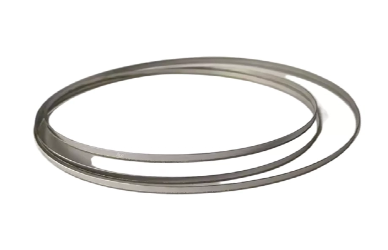
A band saw blade is a continuous loop of toothed metal used on band saw machines to cut a variety of materials, including wood, metal, and plastics. Its versatility makes it an essential tool in workshops, fabrication shops, and industrial settings.
One of the most important specifications of a band saw blade is TPI, or Teeth Per Inch. TPI determines how many teeth are present along each inch of the blade, directly influencing cutting speed, smoothness, and suitability for different materials. Choosing the right TPI ensures efficient cutting, clean edges, and optimal blade performance.
The goal of this article is to explain what TPI means, how it affects the cutting process, and provide guidance on selecting the appropriate TPI for different materials and cutting tasks. Understanding TPI helps both beginners and experienced users get the most out of their band saw blades.
TPI, or Teeth Per Inch, is a critical specification that affects the performance and suitability of a band saw blade for different materials and cutting tasks. Understanding TPI helps users select the right blade and achieve precise, efficient cuts.
TPI refers to the number of teeth present per inch along the cutting edge of the band saw blade.
A higher TPI means more teeth are packed into each inch, while a lower TPI has fewer teeth per inch.
This simple metric significantly influences the cutting characteristics of the blade.
Cut Smoothness: Blades with higher TPI produce finer, smoother cuts because the teeth remove less material per pass.
Cutting Speed: Blades with lower TPI cut faster, as fewer teeth engage the material at a time, making them suitable for thicker or softer materials.
Material Compatibility: High TPI blades work well with thin, hard, or delicate materials, while low TPI blades excel on thick, soft, or coarse materials.
High TPI Blades: Often 14 TPI or higher; ideal for metal, thin wood, or precision work where a smooth finish is essential.
Low TPI Blades: Usually 3–6 TPI; best for thick lumber, soft wood, or quick rough cuts.
Understanding this distinction ensures that users choose a band saw blade that balances speed, finish quality, and material requirements.
The TPI (Teeth Per Inch) of a band saw blade plays a crucial role in determining how efficiently and precisely the blade cuts through different materials. Choosing the correct TPI ensures the right balance between cutting speed, smoothness, and blade longevity.
Definition: High TPI blades have more teeth per inch, typically 14 TPI or higher.
Cut Quality: They produce smoother, finer cuts because each tooth removes a smaller amount of material.
Material Suitability: Ideal for thin, hard, or delicate materials such as metal sheets, plywood, or thin hardwoods.
Cutting Speed: Requires a slower feed rate to prevent overheating, blade wear, or material damage.
Definition: Low TPI blades have fewer teeth per inch, usually ranging from 3 to 6 TPI.
Cut Quality: Cuts are coarser but faster because each tooth removes more material per pass.
Material Suitability: Perfect for thick, soft, or rough-cut materials such as thick lumber, softwoods, or plastic.
Cutting Speed: Can handle faster feed rates without overloading the band saw blade.
High TPI vs. Low TPI: Higher TPI offers superior finish but slower cutting, while lower TPI allows rapid material removal but results in a rougher edge.
Practical Tip: Selecting TPI depends on the project’s priority—smooth finish or faster throughput—and the material being cut.
Balance: Understanding this trade-off helps users optimize performance, minimize blade wear, and achieve the desired cutting results.
Selecting the correct TPI (Teeth Per Inch) for your band saw blade is essential for achieving precise cuts, optimal efficiency, and long blade life. Various factors influence the ideal TPI for a given task.
Wood: Softwoods typically allow lower TPI blades (4–6 TPI) for faster cutting, while hardwoods may require slightly higher TPI (6–10 TPI) for smoother results.
Metal: Harder metals usually need high TPI blades (14–24 TPI) to achieve clean cuts and reduce stress on teeth.
Plastic or Composites: Fine TPI blades prevent chipping and cracking, ensuring a smooth edge.
Thin Materials: High TPI blades are preferable to avoid tearing or rough edges.
Thick Materials: Low TPI blades remove material faster and reduce the risk of overheating.
Finish Requirements: Projects requiring a polished, smooth finish benefit from higher TPI, whereas rough cuts prioritize speed and efficiency.
Smaller or Hobby Saws: May perform better with medium TPI blades to balance speed and cutting load.
Industrial or High-Powered Saws: Can handle higher TPI blades for precision cutting without sacrificing efficiency.
Blade Compatibility: Always verify that the chosen TPI matches your band saw blade specifications and machine capabilities.
Choosing the right TPI ensures that your band saw blade operates efficiently, produces accurate cuts, and maintains a longer lifespan, tailored to the material and machine being used.
Proper use and maintenance of a band saw blade are essential for achieving accurate cuts, prolonging blade life, and ensuring safety during operation. The following tips can help users maximize performance and maintain consistent results.
Always choose a band saw blade with the appropriate TPI and material compatibility for your workpiece.
Consider both the material type (wood, metal, or plastic) and thickness to ensure smooth, efficient cuts.
Using the correct blade reduces strain on the saw and prevents unnecessary wear.
Feed material at a consistent pace without forcing it through the blade.
Avoid sudden pressure or jerky movements, which can cause the teeth to bend, chip, or wander off track.
Smooth motion improves cut accuracy and reduces the risk of blade damage.
Regularly remove debris, resin buildup, and metal shavings from the teeth.
A clean band saw blade maintains cutting efficiency and prevents overheating, which can warp the blade or damage the material.
Inspect the teeth periodically for dullness and address it promptly.
Ensure the blade tracks correctly on both upper and lower wheels.
Misalignment can lead to uneven cuts, excessive wear, and potential safety hazards.
Adjust the guides and tracking screws as needed to maintain optimal performance.
Using a worn or dull band saw blade compromises precision and increases stress on the saw.
Regularly rotating blades between tasks or replacing them when worn ensures consistent cutting quality.
Timely blade maintenance also extends overall blade life and keeps your workshop efficient.
By following these tips, users can get the best performance from their band saw blades, ensuring smooth, precise cuts while maintaining safety and prolonging the tool’s lifespan.
Understanding TPI is essential when selecting a band saw blade, as it directly affects cutting performance, smoothness, and efficiency. Choosing the correct TPI ensures that the blade matches the material type and thickness, allowing for precise cuts and a high-quality finish.
By paying attention to TPI along with other blade specifications such as width, thickness, and tooth design, users can optimize the performance and lifespan of their band saw blades. Proper selection and maintenance not only improve cut quality but also enhance safety and efficiency in any woodworking or metalworking project.
Incorporating TPI knowledge into your blade selection process helps ensure that every cut is accurate, clean, and efficient, making it a critical factor for both hobbyists and professional users of band saw blades.