Views: 0 Author: Site Editor Publish Time: 2025-10-31 Origin: Site


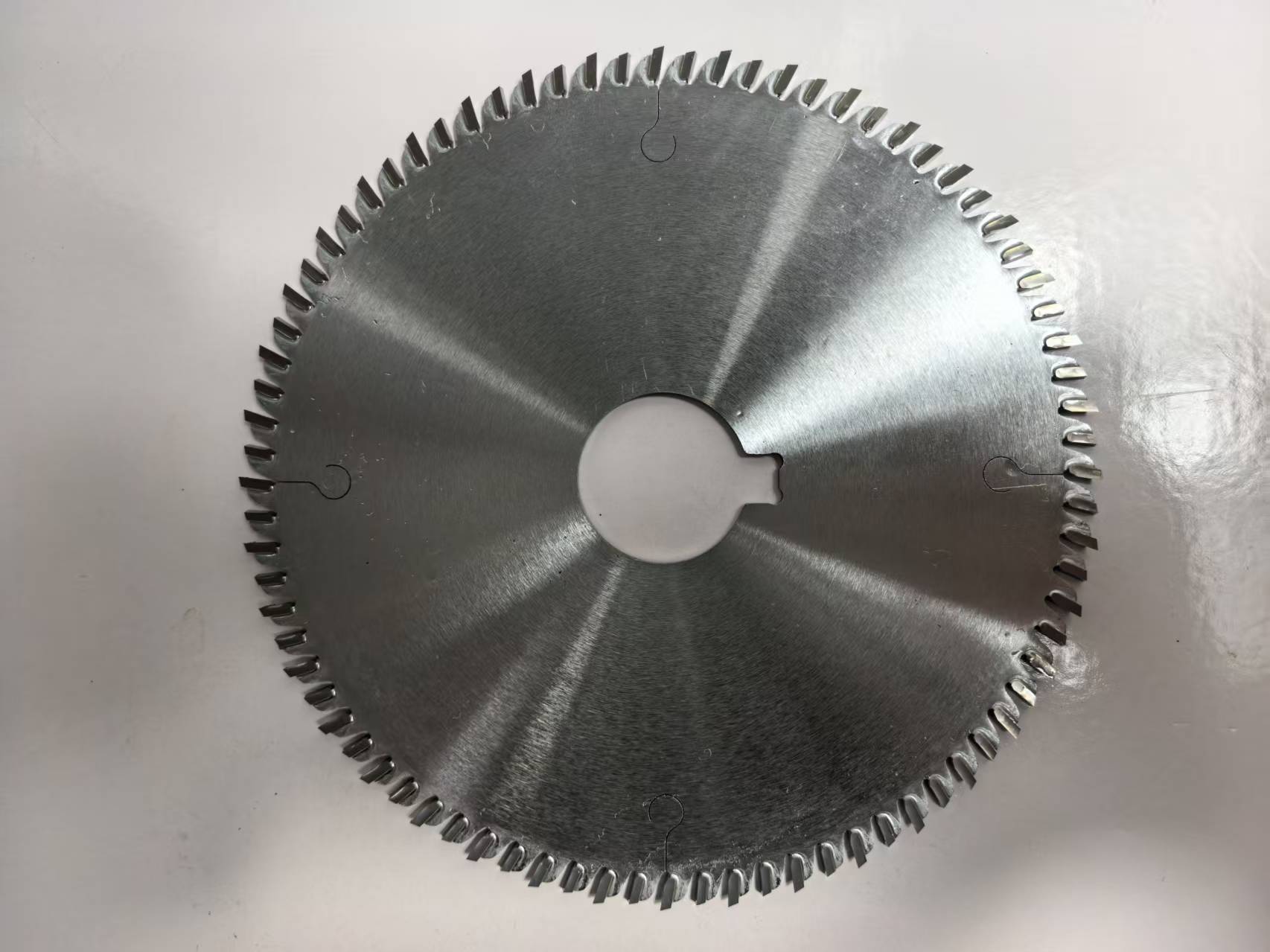
This is an excellent topic, as using the correct saw blade for plastic is crucial for a clean, safe, and efficient cut. Using the wrong blade can lead to melting, chipping, cracked edges, and even be dangerous.
Key Characteristics of Plastic Cutting Saw Blade
Tooth Geometry:
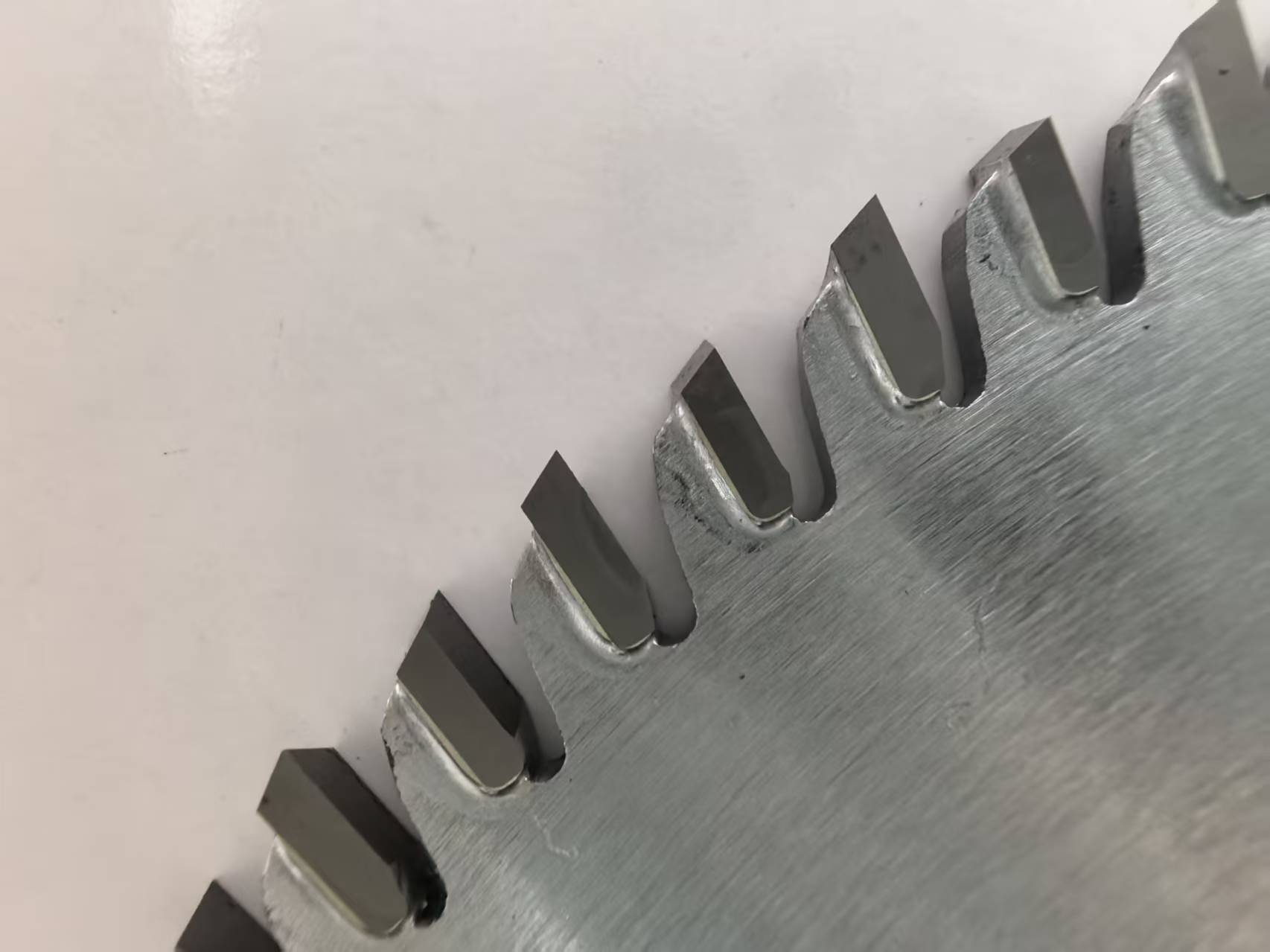
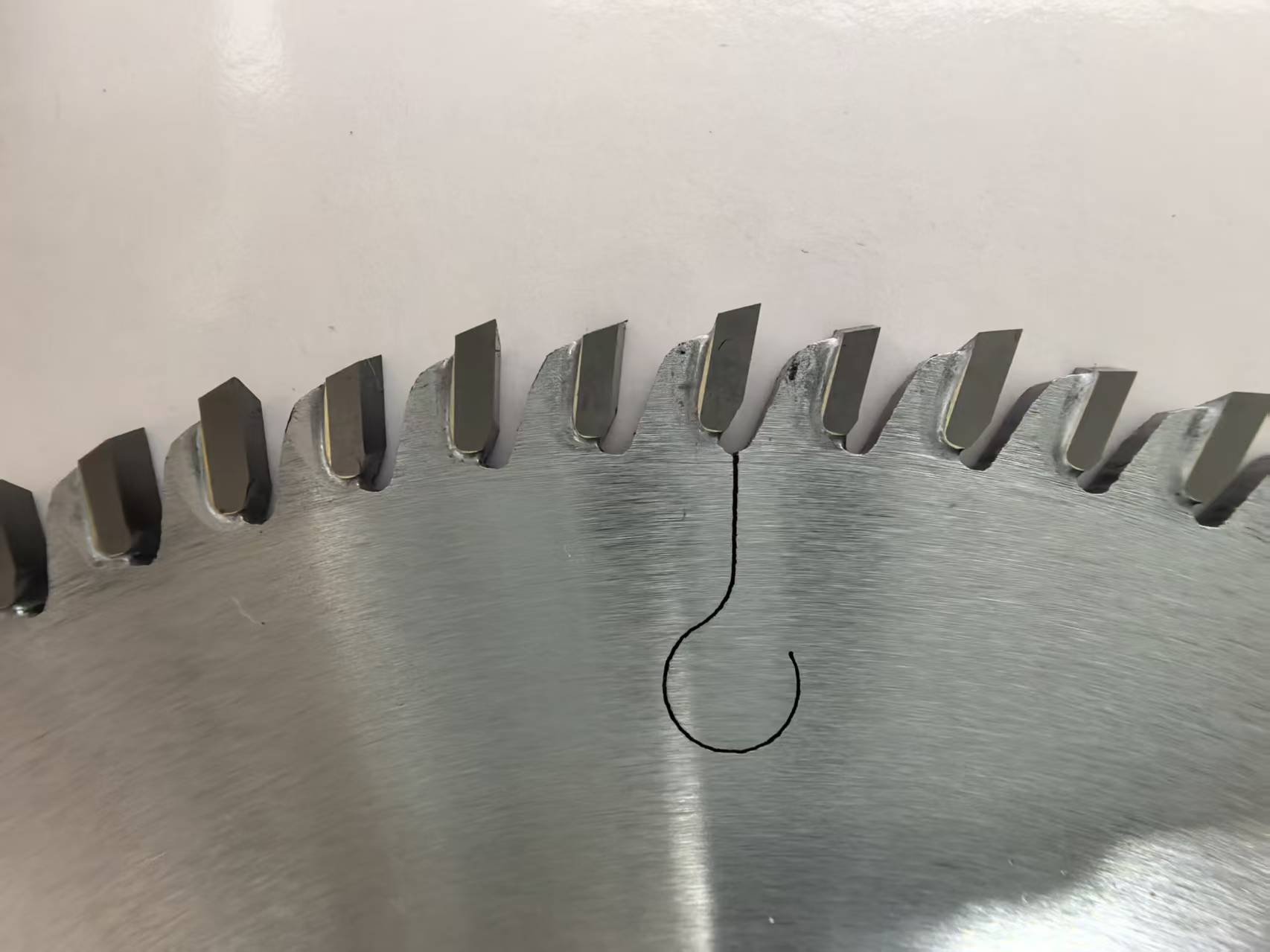
Triple-Chip Grind (TCG): This is often considered the best choice for plastics and non-ferrous metals. It alternates between a flat-top "raker" tooth and a bevelled "triple-chip" tooth. The raker clears the groove while the triple-chip does the scoring, resulting in a very clean cut with minimal chipping.
Alternate Top Bevel (ATB): A common blade for fine woodworking cuts, it also works well for plastics. The alternating bevels create a sharp, scissor-like slicing action.
Flat-Top Grind (FTG): Good for very soft plastics where you want a scraping/shearing action, but can generate more heat.
Negative Hook Angle: The hook angle is the amount the tooth leans forward.
A negative hook angle (the tooth leans backward) is ideal for plastic. It makes the blade less aggressive, preventing it from "grabbing" the material and causing cracking or kickback. This is a critical safety feature, especially on a table saw or miter saw.
Go Slow: Let the blade cut at its own pace. Don't force the material through.
Support the Material: Ensure the plastic is fully supported on both sides of the cut to prevent vibration and cracking.
Use a Zero-Clearance Insert: On a table saw, this prevents the thin plastic from chipping as it drops down near the blade.
Leave the Protective Film On: If your acrylic or polycarbonate has a protective film, cut with it on to prevent surface scratches.
Cooling (Advanced): For long production runs, using a jet of compressed air can help keep the blade and plastic cool.
For cutting plastic, invest in a high-tooth-count, carbide-tipped blade with a Triple-Chip Grind (TCG) and a negative hook angle. It will pay for itself in the quality of your cuts and the safety of your work.
If you are interested in our Plastic Cutting Saw Blade in the future,please remember to contact with us freely.
WhatsApp:+86 133 2675 1678
WeChat:+86 133 2675 1678
Email: hntl@hntl-tech.com
Website: www.tanglitools.com
#cuttingtool #highquality #TANGLI #cutting #factory #tool #TangliGroup #sawblade #millingcutter #machinery #OEM #ODM